Top-Rated Power System Options
Automatic Generators: A Trustworthy Method for Continuous Electricity
Automatic generators are an important shield during grid failures. They function seamlessly, starting up immediately when power fails. Powered by different energy types, these systems guarantee operations continue during emergencies. Yet, grasping their utility and characteristics is crucial to reaching a sound choice. Which factors must be reviewed before investing in a generator like this? The subsequent parts examine these vital considerations.
Understanding Standby Generators: The Functionality
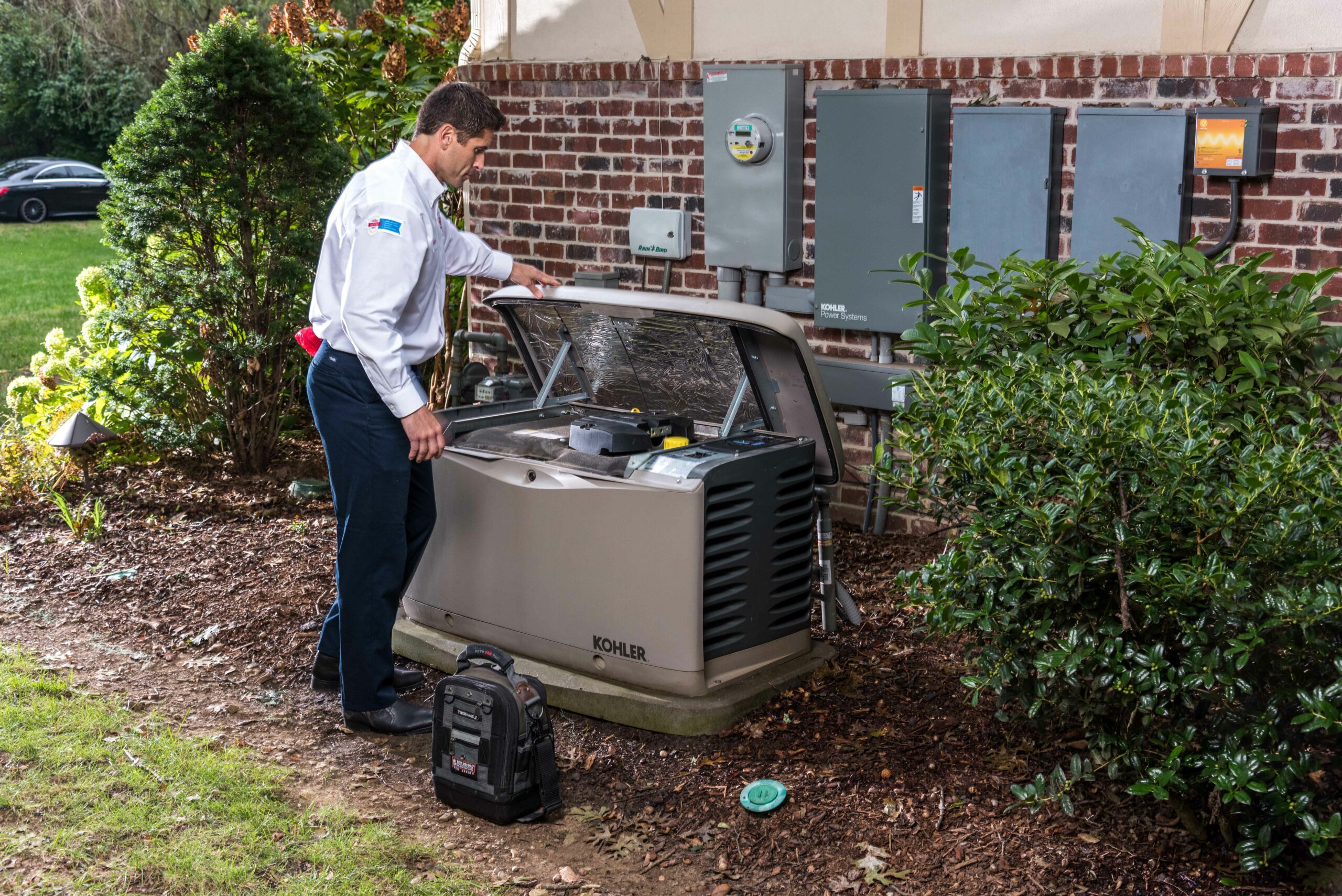
Standby generators are essential devices which deliver instantaneous reserve energy when the grid fails. They are typically installed on the exterior of the property, linked to the main wiring and fueled by natural gas, propane, or diesel. Should the power fail, the system recognizes the lack of power and activates within seconds. This action utilizes an ATS (Automatic Transfer Switch), that isolates the property from utility power and connects it to the generator
(Portland Standby Generators)The system starts creating electricity, supplying power to essential circuits or the whole building, based on its size. The majority of backup systems include an integrated surveillance feature which ensures correct operation and servicing. They can operate for extended periods, providing a reliable power source until the public power returns. Grasping how backup generators work allows residents to recognize their value in boosting electricity safety and reducing interruptions in the event of unforeseen blackouts
Advantages of Owning a Backup System
Trustworthiness is a key feature of installing a standby generator, as it guarantees an uninterrupted power supply during blackouts. This crucial capability ensures continuous operation for properties, safeguarding important possessions and maintaining comfort. Furthermore, these generators improve protection by mitigating grid failures that could lead to hazardous situations, such as frozen pipes or medical equipment failures.
Value for money is a further advantage; while the initial investment may be high, the savings over time from minimizing spoilage, operational downtime, and emergency repairs can be remarkable. In addition, standby generators boost the home's worth, positioning them as an appealing amenity for prospective purchasers.
Ease of operation is a key factor, as such systems automatically activate during an outage, doing away with the requirement for human involvement. This uninterrupted functionality lets people to continue their everyday activities without hiccups. In summary, installing a standby generator provides security, guaranteeing that power is constantly supplied when needed most.
Key Features to Look for in a Generator Unit
When choosing a standby generator, a few vital attributes need to be taken into account to achieve the best results and suitability for specific needs. First, the wattage capacity is crucial; prospective owners must figure out the needed capacity to support essential appliances during an outage. Furthermore, the fuel type—whether NG, LP, or diesel—influences operation and long-term expenditures.
Another important feature is the transfer switch, which enables smooth transition supplementary information of power and boosts reliability. Construction and longevity are key factors; a robust generator can handle severe elements.
In addition, how loud it is needs evaluation, as less noisy generators are ideal for residential areas. Some generators offer self-starting features, providing convenience during unforeseen blackouts. To conclude, guarantee and maintenance plans should be reviewed, ensuring dependable assistance and maintenance. Through assessing these characteristics, prospective buyers can choose a backup system that meets their unique power needs efficiently.
Key Points to Review Before Purchase
Before committing to a standby generator, prospective owners should diligently assess a few vital considerations to ensure they reach an informed decision. Portland Standby Generators. To start, they must determine their wattage demands by estimating the needed power to operate critical systems during an outage. Next, the type of fuel is critical; choices are natural gas, propane, or diesel, all having distinct benefits and availability considerations
Moreover, buyers should consider the generator's power switch mechanism, which facilitates seamless power transfer. The requirements for installation are also important, as some generators might require expert setup or the securing of permits
The warranty and support options deserve close attention, as these can greatly impact long-term satisfaction. Finally, buyers need to assess the level of noise produced, above all if they are located in a housing development. By examining these factors, customers may pick the right generator that perfectly suits their particular requirements and desires
Maintenance Tips for Your Standby Generator

Routine servicing is crucial for guaranteeing ideal performance and longevity of a standby generator. Begin by checking how much oil the generator has, and swap out the oil and filter as recommended by the maker. Regularly check the air filter and change it when needed to ensure proper air circulation. You should also test the battery and clean any corrosion on terminals to keep the starting power consistent.
Run load tests from time to time to confirm the generator can handle its rated capacity. Furthermore, ensure that the exhaust is clear of blockages and leaks. Maintaining a clean, debris-free generator helps avoid overheating and problems.
Finally, book professional upkeep annually at a minimum to address any potential problems and perform in-depth inspections. Adhering to these upkeep guidelines can greatly extend the lifespan of a standby generator, offering reassurance when the power goes out.
Common Questions
What is the Average Cost of Standby Generators?
Standby generators typically cost in price from $2,000 to $15,000, influenced by factors including the brand, power output, and complexity of installation. Additional expenses may include permits, fuel tanks, and maintenance, influencing the overall investment required.
Can I Install a Standby Generator Myself?
Installing a standby generator oneself is possible, though it demands familiarity of local regulations and electrical systems. Most professionals advise getting a contractor to guarantee safety, compliance, and ideal performance of the generator installation.
Which Types of Fuel Power Standby Generators Use?
Standby generators commonly run on energy sources such as gasoline, propane, natural gas, or diesel. Portland Standby Generators. The selection of energy source often depends on the cost, availability, and particular power requirements, affecting the operation and efficiency of the generator
Are There Any Permits Required for Installation?
Absolutely, installation permits are usually mandated for the installation of standby generators. Rules differ depending on the area, so it is essential for homeowners or contractors to consult local authorities to ensure adherence with all relevant codes and requirements.
What is the Maximum Continuous Runtime Continuously?
A standby generator can run continuously for different lengths of time, usually between 24 and 48 hours, based on the load demands and fuel availability. Consistent servicing provides maximum efficiency and durability during extended operation periods.